Residential Painting Tips to Refresh Your Living Spaces
Residential painting is one of the most effective ways to refresh your living spaces without a full renovation. Over time, walls lose their vibrancy, colors feel outdated, and surfaces show signs of wear. A well-planned painting project can instantly improve how your home looks and feels.
With the right approach, tools, and color choices, you can create a clean, updated environment that reflects your style. This guide shares practical residential painting tips to help you achieve smooth, long-lasting results while avoiding common mistakes.
Plan Your Residential Painting Project the Right Way
A successful residential painting project starts long before the first coat is applied. Planning helps you stay organized, avoid delays, and achieve a better finish.
Start by assessing the areas you want to update. Look for:
Faded or peeling paint
Stains or marks that won’t come off
Outdated color schemes
Uneven surfaces or minor damage
Next, set clear goals. Decide if you want a full refresh, a color change, or just touch-ups. It will guide your material choices and timeline.
Preparation also includes:
Measuring your space accurately
Choosing the right type of paint (matte, satin, semi-gloss)
Gathering tools like rollers, brushes, and painter’s tape
Taking time to plan ensures a smoother process and better results from start to finish.
Choose Colors That Enhance Your Living Spaces
Color selection plays a major role in how your home feels. The right shades can make rooms look larger, brighter, and more inviting.
When choosing colors, consider:
Lighting: Natural and artificial light can change how colors appear
Room size: Lighter tones can open up smaller spaces
Purpose of the room: Calm tones work well in bedrooms, while brighter shades suit social areas
Popular residential painting color ideas include:
Soft neutrals for a clean and modern look
Warm tones to create a cozy environment
Accent walls to add contrast and depth
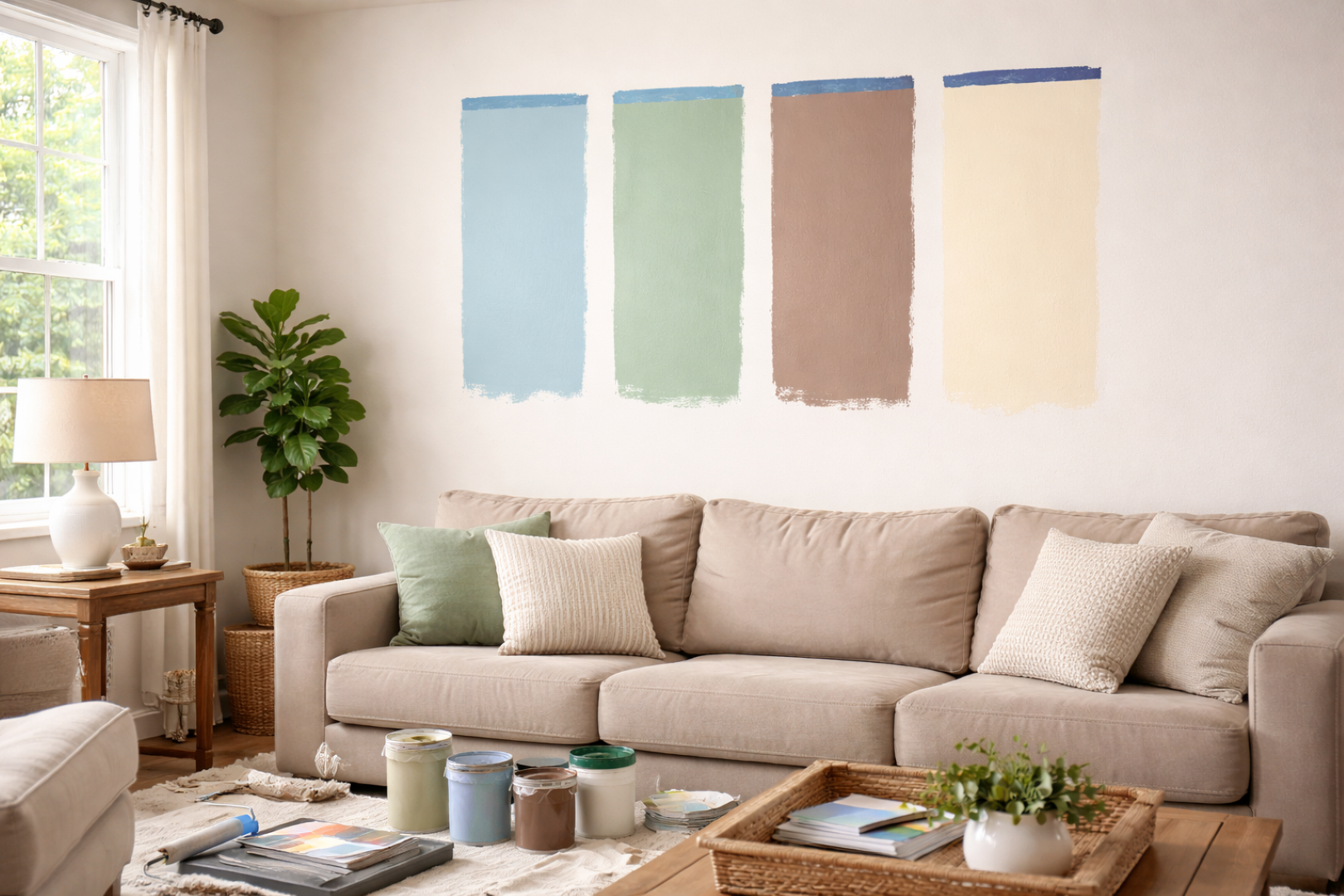
Test paint samples on your walls before committing. It helps you see how the color looks throughout the day.
Prepare Surfaces for a Smooth, Lasting Finish
Surface preparation is one of the most important steps in residential painting. Skipping this step can lead to uneven finishes, peeling paint, and a shorter lifespan.
Before painting, make sure to:
Clean walls to remove dust, grease, and dirt
Fill cracks or holes with patching compound
Sand rough areas for a smooth surface
Apply primer when needed
Proper preparation allows the paint to adhere better and creates a more polished final look. It also helps reduce the number of coats needed.
Use the Right Tools and Techniques
Using the right tools and techniques can make a big difference in the outcome of your residential painting project.
For best results:
Use high-quality brushes and rollers
Apply paint in even, consistent strokes
Work in sections to maintain a wet edge
Avoid overloading your brush or roller
Cutting in (painting edges and corners first) helps create clean lines and reduces the need for touch-ups later.
Layering is also key. Apply thin coats and allow proper drying time between each layer. It prevents streaks and ensures better coverage.
Focus on Interior Painting for Maximum Impact
Interior residential painting offers one of the quickest ways to refresh your home. Even small updates can make a noticeable difference.
Focus on high-traffic areas such as:
Living rooms
Kitchens
Hallways
Entryways
Updating these spaces can improve both appearance and daily comfort.
Consider adding:
Accent walls for visual interest
Updated trim colors for contrast
Fresh ceiling paint to brighten the room
A clean, updated interior can completely change how your home feels without major construction.
Don’t Overlook Exterior Residential Painting
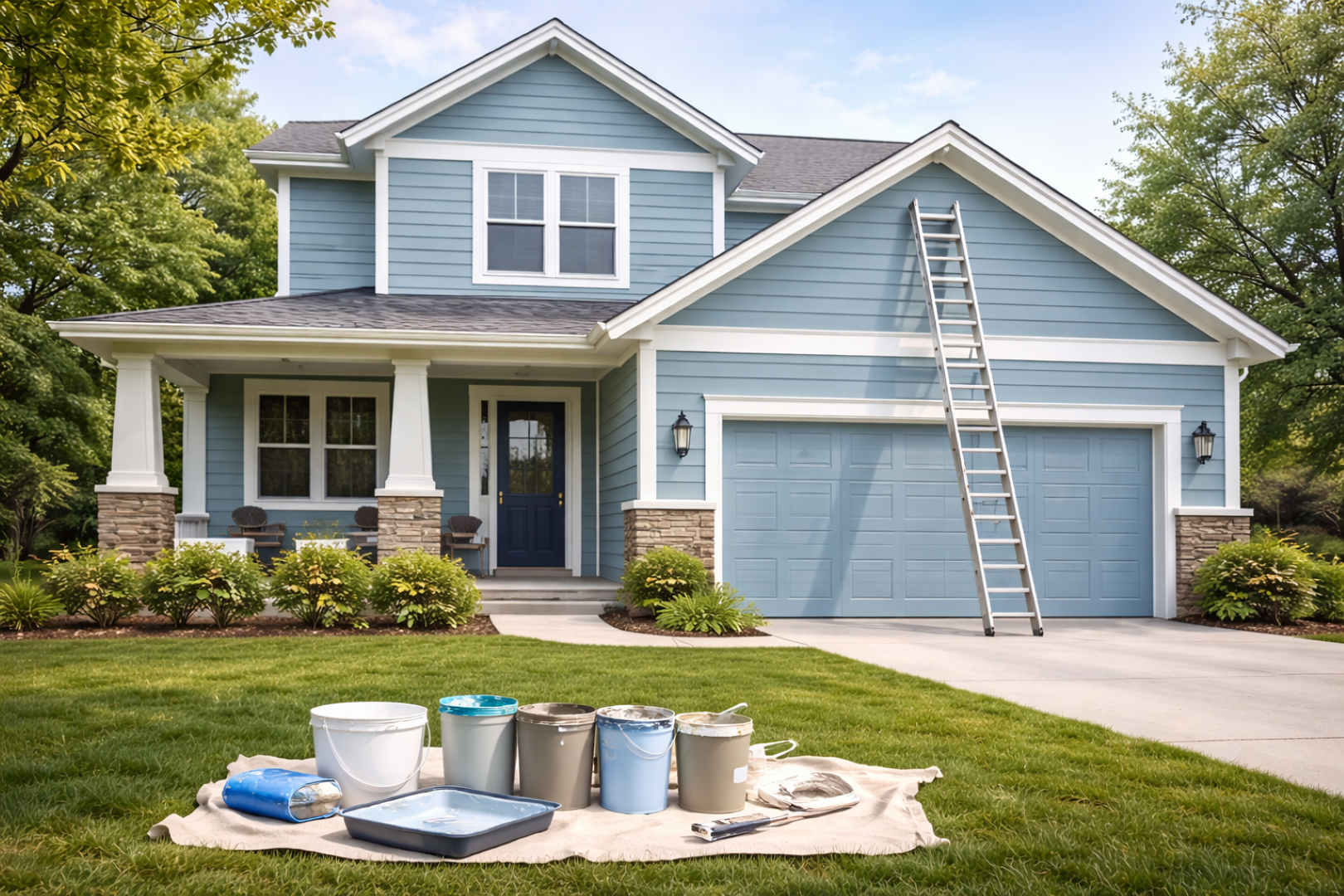
Exterior residential painting is just as important as interior work. It protects your home from weather damage while improving curb appeal.
Signs your exterior needs attention include:
Fading or chalky paint
Cracks or peeling areas
Visible stains or mildew
Before painting, power washing is essential to remove buildup and ensure proper adhesion.
Exterior painting tips include:
Choosing weather-resistant paint
Painting during mild, dry conditions
Using proper sealing techniques
A well-maintained exterior not only looks better but also helps preserve your home’s structure over time.
Add Value with Specialty Finishes and Details
Residential painting goes beyond basic wall coverage. Specialty finishes can add depth, texture, and character to your living spaces.
Options to consider:
Faux finishes for a unique, decorative look
Cabinet refinishing to update kitchens and bathrooms
Wood staining for natural surfaces
Accent trims and moldings for added detail
These upgrades can make your home stand out while increasing its overall value.
Maintain Your Painted Surfaces for Long-Term Results
After completing your residential painting project, proper maintenance helps keep your home looking fresh.
Simple maintenance tips include:
Cleaning walls regularly with a soft cloth
Touching up small marks or chips
Avoiding harsh chemicals that can damage paint
Inspecting exterior surfaces seasonally
Regular care extends the life of your paint and reduces the need for frequent repainting.
Common Residential Painting Mistakes to Avoid
Avoiding common mistakes can save time, money, and frustration.
Watch out for:
Skipping surface preparation
Using low-quality paint or tools
Applying thick coats instead of thin layers
Ignoring drying times between coats
Choosing colors without testing samples
Being mindful of these issues helps ensure a smoother process and better final results.
When to Hire Professional Residential Painting Services
While DIY painting can work for small projects, larger or more detailed jobs often benefit from professional help.
Professional residential painting services offer:
Consistent, high-quality finishes
Efficient project completion
Proper surface preparation
Access to premium materials and tools
Hiring experienced painters can save time and help avoid costly mistakes, especially for complex projects or full-home updates.
FAQs About Residential Painting
How often should I repaint my home interior?
Most interiors should be repainted every 5–7 years, depending on wear and traffic levels.
What type of paint finish is best for living spaces?
Satin and eggshell finishes are popular because they balance durability and appearance.
How long does a residential painting project take?
It depends on the size and scope, but most interior projects can take 1 to 7 days.
Can I stay in my home during painting?
Yes, but proper ventilation is important, and some areas may need to be temporarily avoided.
Refresh Your Living Spaces with Confidence
Residential painting is a simple yet powerful way to improve your home’s appearance, comfort, and value. With proper planning, the right materials, and attention to detail, you can achieve results that last.
Transform Your Home with Expert Residential Painting
Ready to update your space with professional results? Exquisite European Painting in North Brunswick, NJ, provides residential painting services that enhance every surface with precision and care.
Contact us today to discuss colors, plan your project, or read our blog for more tips and ideas to keep your home looking its best.
